
TECHNOLOGY
Chemical Propulsion
We develop monopropellant, bi-propellant, and hybrid propellant hydrogen-peroxide propulsion systems for in-space and access-to-space applications for small satellites.
GREEN
PROPELLANTS
H202
HTP HIGHLY STABILIZED
1 N TO 10 KN
RANGE OF THRUST
Product in the market
ALPHARD MONOPROPELLANT
We developed four classes of ALPHARD monopropellant propulsion systems (i.e., 1 N, 10 N, 20 N, and 200 N). They are capable of multiple long duration fires, pulsed operations and cold starts, perfectly suited for application as both main thrusters and/or reaction control systems.
They can employ hydrogen peroxide at concentration between 90 w% and 96 w%.

Product under development
KUMA BIPROPELLANT
Bipropellant HTP-Kerosene propulsion systems providing from 300 to 500 N of thrust, scalable to few kN (a 3 kN version is currently under development). A 10 N self-pressurized HTP-propane thruster has also been recently developed. Our KUMA bipropellant propulsion systems can be fully customized on thrust, expansion ratio, and accommodation to address specific customer needs. Our innovative designs allow proper chamber cooling without the use of exotic materials, providing an affordable and reliable solution for customers.
Product under development
TEIDE HYBRID ROCKETS
Chemical hybrid propulsion systems, based on HTP and polyethylene or paraffin blends, suitable for sounding rockets, small upper stages, and micro-launchers. TEIDE propulsion systems can provide from 100 N to 10 kN of thrust, and they can also be fully customized depending on system requirements. We have been casting single port fuel grains up to 600 mm in diameter and 200 kg of mass. Our paraffin blends have thermomechanical performance able to withstand launch vibrations and in-orbit temperature stresses.
HTP TECHNOLOGY ADVANTAGES

Green
non-toxic
REACH compliant

High
density

Storable
at ambient
conditions

Versatile
Suitable for monoprop, biprop, and hybrid thrusters.
APPLICATIONS
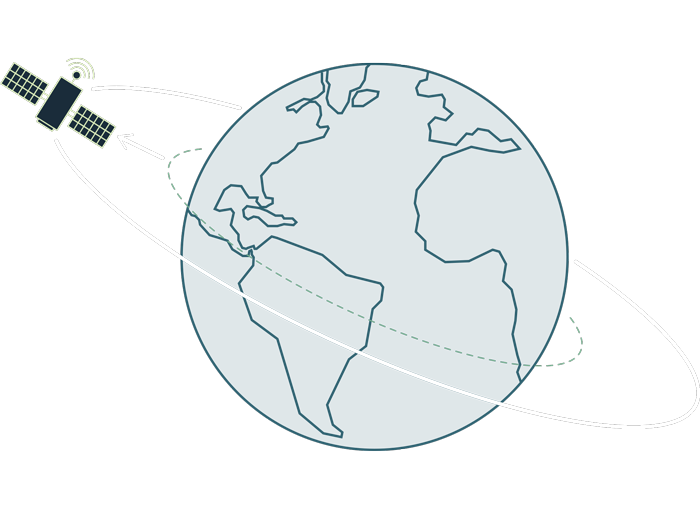
ORBIT RAISING

UPPER STAGES

RE-POSITIONING

STATION KEEPING
REACTION CONTROL
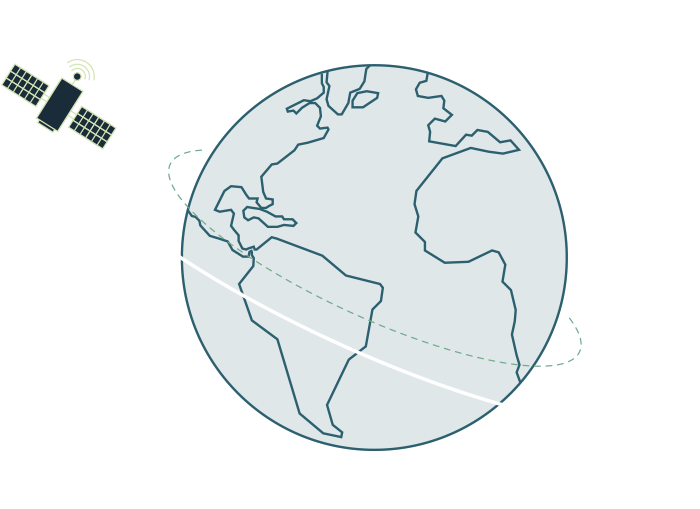
DEORBITING
TIMELINE
FUNDED PROJECTS
We are developing chemical rocket motors since 2006.
